

 Crowns & Bridges
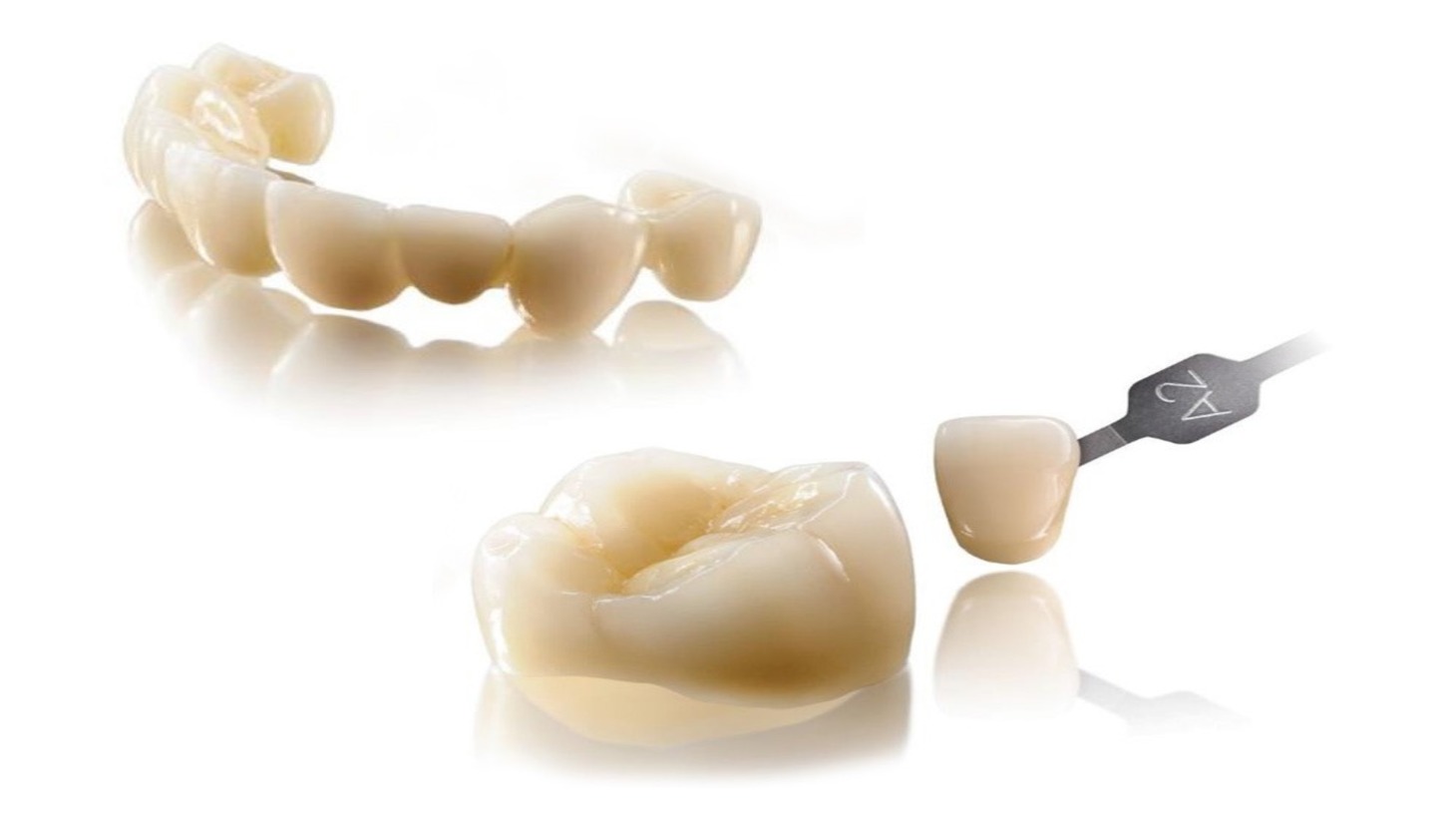
Crowns and bridges are dental prosthetic devices designed to restore damaged or missing teeth, enhancing both functionality and aesthetics. A dental crown, often referred to as a 'cap,' covers a damaged tooth, restoring its structure and strength. Bridges, on the other hand, replace missing teeth by anchoring artificial teeth to adjacent natural teeth or dental implants.
These restorative solutions play a crucial role in preserving oral health, improving bite alignment, and enhancing the overall appearance of the smile. With various materials and advanced technologies available, crowns and bridges offer versatile options tailored to individual dental needs.



Crowns and bridges provide durable and aesthetic solutions, restoring damaged teeth and filling gaps, enhancing both oral function and the overall appearance of your smile.
Crowns and bridges serve as essential dental solutions for various reasons. They are recommended to restore damaged teeth, providing structural support after procedures like root canal treatment. Additionally, these prosthetics are instrumental in replacing missing teeth, preventing issues related to bite misalignment and maintaining facial symmetry.
By enhancing both functionality and aesthetics, crowns and bridges contribute significantly to oral health, promoting proper chewing, speech, and a confident, natural-looking smile. Their versatility and durability make them indispensable for addressing a range of dental concerns, ensuring long-term dental well-being.
A dental crown, often called a "cap," is a prosthetic restoration designed to encircle and cover a damaged or weakened tooth, restoring its appearance and strength.
Dental crowns are recommended to reinforce a tooth after root canal treatment, improve the appearance of discolored or damaged teeth, or provide support for extensive fillings.
The process usually involves two visits, with the first for preparation and impressions and the second for crown placement, typically within a few weeks.
Maintain good oral hygiene, including regular brushing, flossing, and dental check-ups, to ensure the longevity of crowns and bridges.
While rare, improper fit, decay, or trauma can potentially affect the stability of crowns or bridges.
Yes, dental bridges offer a non-surgical option for replacing missing teeth, providing stability and functionality.


Yogasudha Dental Care – Crafting Radiant Smiles, One Appointment at a Time. Your Trusted Partner for Exceptional Dental Care.
© 2024. All Rights Reserved by Yogasudha Dental Care.
 About Us
 Services
 Appointment
 Testimonials
 Contact Us
 Dental Implant
 Full Mouth Rehabilitation
 Orthodontic Treatments
 Invisible Braces
 Kids Dentistry